Watch Nineteen Eighty-Four IMDB
Nigel Kneale - Wikipedia. Thomas Nigel Kneale (1. April 1. 92. 2 – 2. October 2. 00. 6) was a British screenwriter. He wrote professionally for more than 5.
Somerset Maugham Award, and was twice nominated for the BAFTA Award for Best British Screenplay. In 2. 00. 0, he received the Lifetime Achievement Award from the Horror Writers Association. Predominantly a writer of thrillers that used science- fiction and horror elements, he was best known for the creation of the character Professor Bernard Quatermass. Quatermass was a heroic scientist who appeared in various television, film and radio productions written by Kneale for the BBC, Hammer Film Productions and Thames Television between 1. Kneale wrote original scripts and successfully adapted works by writers such as George Orwell, John Osborne, H. G. Wells and Susan Hill. He was most active in television, joining BBC Television in 1.
Watch movies online free. Watch series online. Over 9000 free streaming movies, documentaries & TV shows. When I first played Half Life 2, a group of friends gathered round my computer to watch for hours as the story and set pieces unfolded. Yes, it's linear, but. Full cast and crew for the film, synopsis, awards information, trivia, user comments, and related links. Thomas Nigel Kneale (18 April 1922 – 29 October 2006) was a British screenwriter. He wrote professionally for more than 50 years, was a winner of the Somerset.
ITV in 1. 99. 7. Kneale wrote well- received television dramas such as The Year of the Sex Olympics (1. The Stone Tape (1.
Quatermass serials. He has been described as "one of the most influential writers of the 2.
TV."[2]Early life and career[edit]Kneale was born Thomas Nigel Kneale in Barrow- in- Furness, England.[3][4] His family came from the Isle of Man, and returned to live there in 1. Kneale was six years old.[5][6] He was raised in the island's capital, Douglas, where his father was the owner and editor of the local newspaper, The Herald. He was educated at St Ninian's High School, Douglas, and after leaving studied law, training to become an advocate at the Manx Bar.[7][8] He also worked in a lawyer's office,[3] but became bored with his legal training and eventually abandoned the profession.[4] At the beginning of the Second World War Kneale attempted to enlist in the British Army, but was deemed medically unfit for service[7] owing to photophobia, from which he had suffered since childhood.[9]On 2.
March 1. 94. 6 Kneale made his first broadcast on BBC Radio, performing a live reading of his own short story "Tomato Cain" in a strand entitled Stories by Northern Authors on the BBC's North of England. Home Service region.[1. Later that year he left the Isle of Man and moved to London, where he began studying acting at the Royal Academy of Dramatic Art (RADA).[6] He made further radio broadcasts in the 1. Zachary Crebbin's Angel on the BBC Light Programme, broadcast nationally on 1.
May 1. 94. 8.[1. 1] He also had further short stories published in magazines such as Argosy and The Strand.[7] He began using the name "Nigel Kneale" for these professional credits, but continued to be known as "Tom" to his family and friends up until his death.[1. After graduating from RADA, Kneale worked for a short time as a professional actor performing in small rôles at the Stratford Memorial Theatre in Stratford- upon- Avon.[8] He continued to write in his spare time and in 1. Tomato Cain and Other Stories, was published.[7] The book sufficiently impressed the writer Elizabeth Bowen that she wrote a foreword for it,[7] and in 1.
Somerset Maugham Award.[4] (His son, Matthew Kneale, would later win the same award in 1. Whore Banquets.[1.
Following this success, Kneale gave up acting to write full- time.[6] He did take small voice- over roles in some of his 1. Quatermass II (1. Kneale's publisher was keen for him to write a novel,[3] but Kneale himself was more interested in writing for television.[3] A keen cinema- goer, he believed that the audience being able to see human faces was an important factor in storytelling.[1. His first professional script writing credit came when he wrote the radio drama.


The Long Stairs, broadcast by the BBC on 1 March 1. Isle of Man.[6] In 1. BBC Television; [1. BBC, Kneale had never seen any television.[1. Kneale was initially a general- purpose writer, working on adaptations of books and stage plays and even writing material for light entertainment and children's programmes.
The following year, Michael Barry became the Head of Drama at BBC Television, and spent his entire first year's script budget of £2. Kneale as a full- time writer for the drama department.[1. Watch 101 Dalmatians Online Free 2016. Kneale's first credited role in adult television drama was providing "additional dialogue" for the play Arrow to the Heart, broadcast on 2. July 1. 95. 2.[1.
This play was adapted and directed by the Austrian television director. Rudolph Cartier, who had also joined the staff of the BBC drama department in 1. It was the beginning of a successful working relationship between the pair, that would lead to some of Kneale's best known work. BBC staff screenwriter[edit]Neither Kneale nor Cartier was impressed with the state in which they found BBC television drama.
At his initial job interview with Michael Barry, Cartier had criticised the department's output as being too sedate and theatrical,[2. Kneale was frustrated at what he saw as the slow and boring styles of television drama production then employed, which he felt wasted the potential of the medium.[2. Together they would help to revolutionise British television drama and establish it as an entity separate from its theatre and radio equivalents; the television historian Lez Cooke wrote in 2. Between them, Kneale and Cartier were responsible for introducing a completely new dimension to television drama in the early to mid- 1. Jason Jacobs, a lecturer in film and television studies at the University of Warwick, wrote in his 2. British television drama that "It was the arrival of Nigel Kneale ..
Rudolph Cartier .. Kneale and Cartier shared a common desire to invigorate television with a faster tempo and a broader thematic and spatial canvas, and it was no coincidence that they turned to science- fiction in order to get out of the dominant stylistic trend of television intimacy."[2. A Woman Deceived Movie Watch Online.
The science- fiction production to which Jacobs referred was The Quatermass Experiment, broadcast in six half- hour episodes in July and August 1. The serial told the story of Professor Bernard Quatermass of the British Experimental Rocket Group, and the consequences of his sending the first manned mission into space when a terrible fate befalls the crew and only one returns. The Quatermass Experiment was the first adult television science- fiction production,[2. Museum of Broadcast Communications as dramatising "a new range of gendered fears about Britain's postwar and post- colonial security."[2. Kneale was inspired in choosing the character's unusual surname by the fact that many Manx surnames began with "Qu"; [2. London telephone directory.[2. The Professor's first name was chosen in honour of the astronomer.
Bernard Lovell.[2. The BBC recognised the success of the serial, particularly in the context of the impending arrival of commercial television to the UK. Controller of Programmes Cecil Mc. Givern wrote in a memo that: "Had competitive television been in existence then, we would have killed it every Saturday night while [The Quatermass Experiment] lasted. We are going to need many more 'Quatermass Experiment' programmes."[2. Like all of Kneale's television work for the BBC in the 1. The Quatermass Experiment was transmitted live.[2.
Only the first two episodes were telerecorded and survive in the BBC's archives.[2. Kneale and Cartier next collaborated on an adaptation of Wuthering Heights (broadcast 6 December 1.
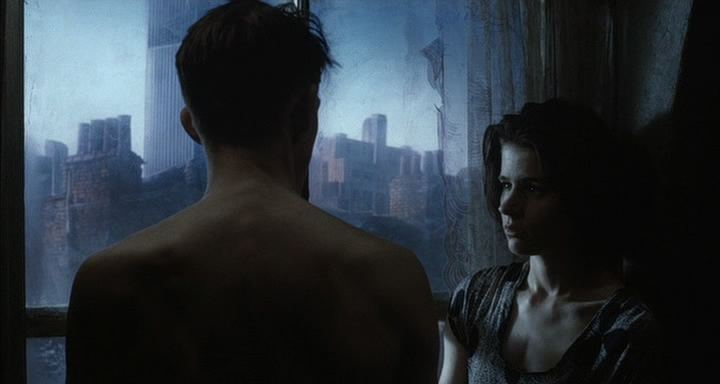
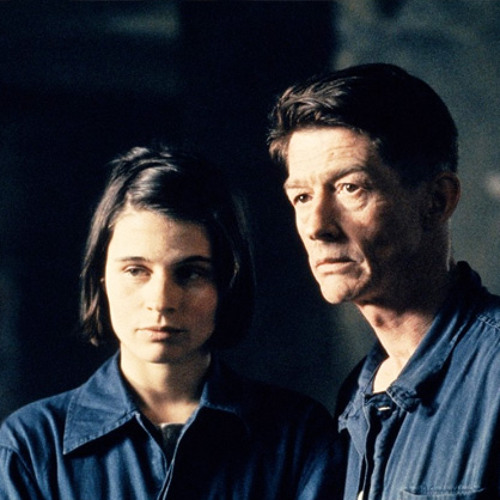
George Orwell's novel Nineteen Eighty- Four (1. December 1. 95. 4).[3.